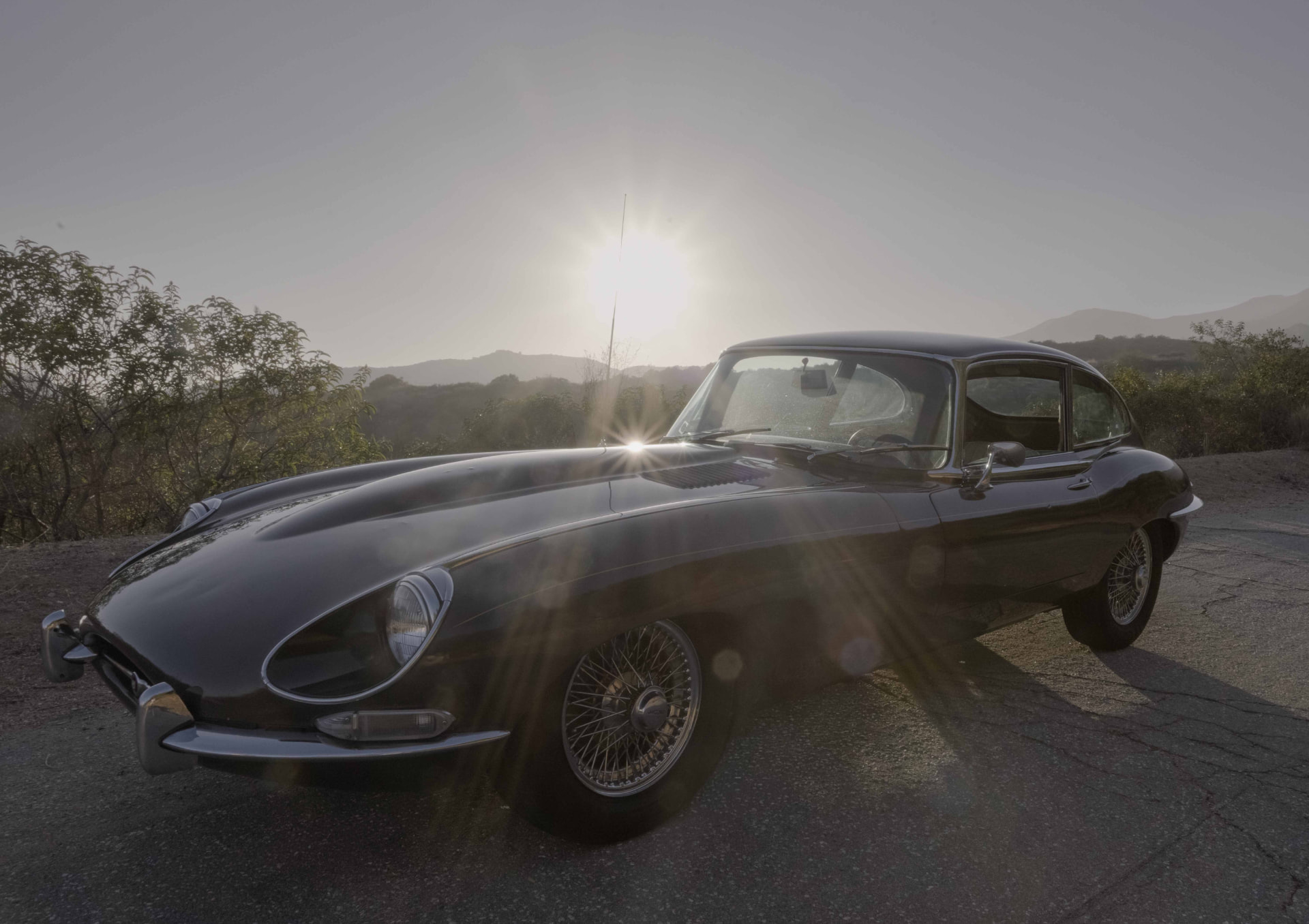
There is no rational argument for a 1968 Jaguar E-Type in 2026. It is slower than a rental Camry, the brakes require planning, the heater is a rumour, and any given drive carries a small but honest chance of ending on the shoulder with the bonnet up. Nothing about it is convenient. Almost everything about it is deliberate.
And yet, most weekends, it is the car I take. I have thought about why for longer than I would like to admit, usually while lying under it. The easy answer is nostalgia, but that has never quite held up — I was not alive in 1968, and I have no childhood memory attached to this shape. Something else is going on.
So this is a story about one old car, and about the larger question behind it: why do we keep the cars that no longer make sense?
The Machine
The E-Type has never needed an introduction, which is part of the problem when you try to write about one. Everything worth saying about the proportions has been said, usually by someone who was there when they were new. But it is worth saying again that the car is stranger in person than in photographs.
The bonnet is the first thing you deal with. It runs out ahead of you for what feels like an unreasonable distance, and because it hinges forward as a single piece, opening it feels less like servicing a car than opening a piece of furniture. From the driver's seat you sight down it the way you would sight down a rifle. It changes how you place the car on a road.
Inside, the driving position is the part nobody warns you about. You sit low and slightly reclined, arms out, legs offset toward the centre by the wheel arch. The steering wheel is large and thin-rimmed and closer to your chest than modern ergonomics would allow. The gauges are laid out for a driver who was expected to read them, not glance at them. There is a row of identical toggle switches that you have to learn by position rather than by label.
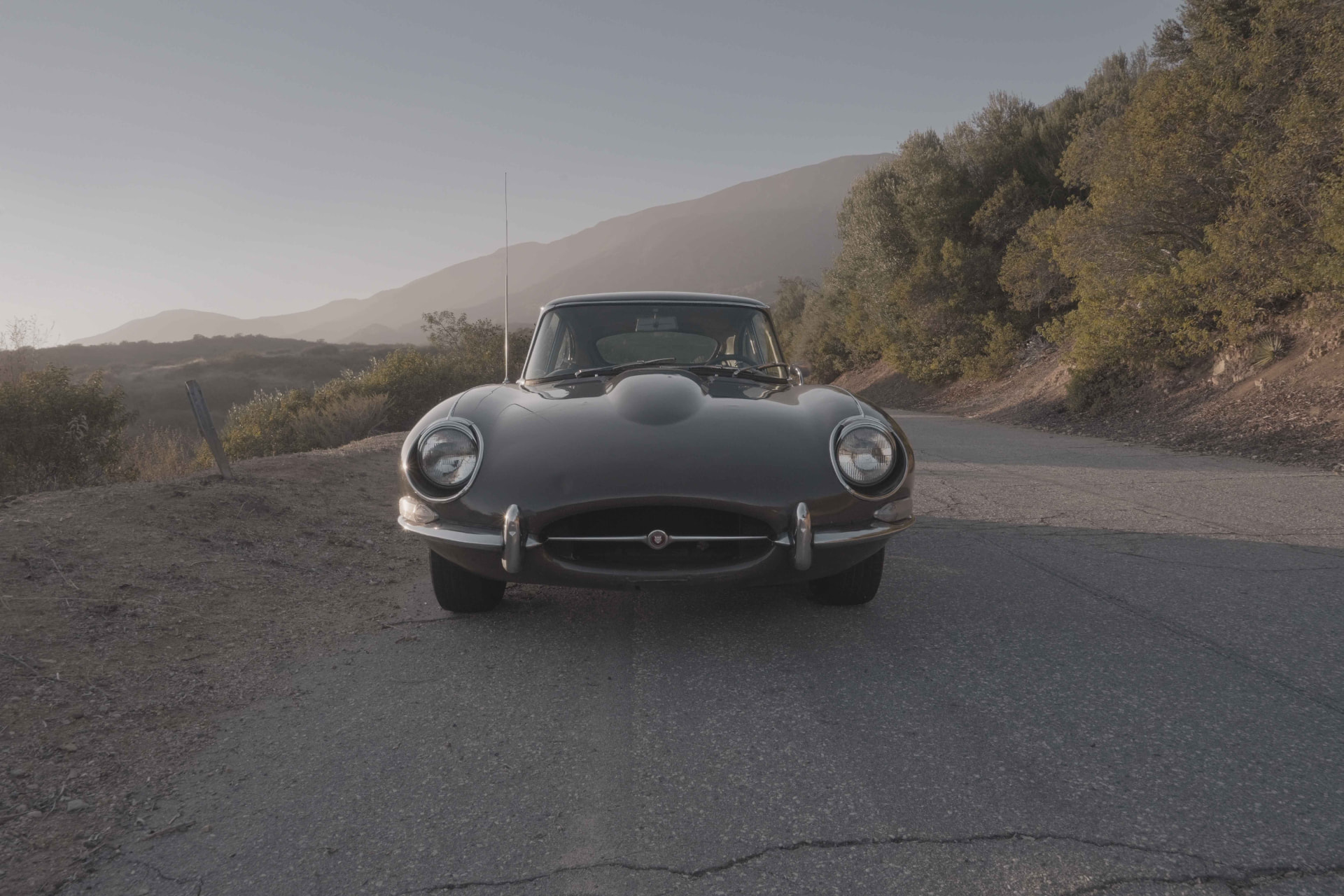
What surprises people who spend time around the car is how much of its beauty is structural rather than styled. The shape came out of aerodynamic work, not a design studio brief, and it shows in the way nothing is added. There are no vents that do not vent, no creases put there to catch light. The car is beautiful largely because it was resolved.
That relationship between beauty and function is the thing I keep returning to. Modern cars are designed to look fast at a standstill. This one was designed to be fast, and looking the way it does was a consequence. Sixty years later that distinction is still visible from across a car park.
Why We Keep Them
It is worth being honest about the comparison. A current family hatchback will out-brake, out-corner, out-accelerate and comprehensively out-survive this car. It will do it in silence, in the rain, with a cold interior warmed before you have left the driveway. Measured against any objective standard, the argument is over before it starts.
What the modern car cannot do is require anything of you. It has been engineered, correctly and deliberately, to remove the driver from the mechanical process. The steering is filtered. The gearbox decides. The throttle is a request rather than a connection. You arrive rested, which is the point.
An old car is the opposite proposition. The steering loads up and goes light in ways that tell you what the front tyres are doing. The gearbox has a rhythm you have to learn, and it will let you know when you have rushed it. The engine is audible at every point in its range, so you shift by sound as much as by the tachometer. You are never not involved.
Modern cars make driving easier. Old cars make you pay attention.
That attention is the actual product. A twenty-minute drive in the E-Type occupies the whole of your head in a way that a two-hour motorway run in something modern never will. You are reading the road surface, listening for changes, watching the temperature gauge out of habit. There is no room left over for the phone.
It is not that the old car is better. It is that it asks something of you, and being asked something turns out to be the part people miss. Almost every owner I have spoken with arrives at some version of this, usually after starting with a story about their father's car and then admitting that is not really the reason either.
The Details
Live with a car like this and your attention narrows. You stop seeing the whole shape and start seeing the parts. The chrome around the headlight, dulled slightly at one corner. The wood of the wheel, darker where hands have been. A seam of leather that has relaxed into a shape that fits nobody but you.
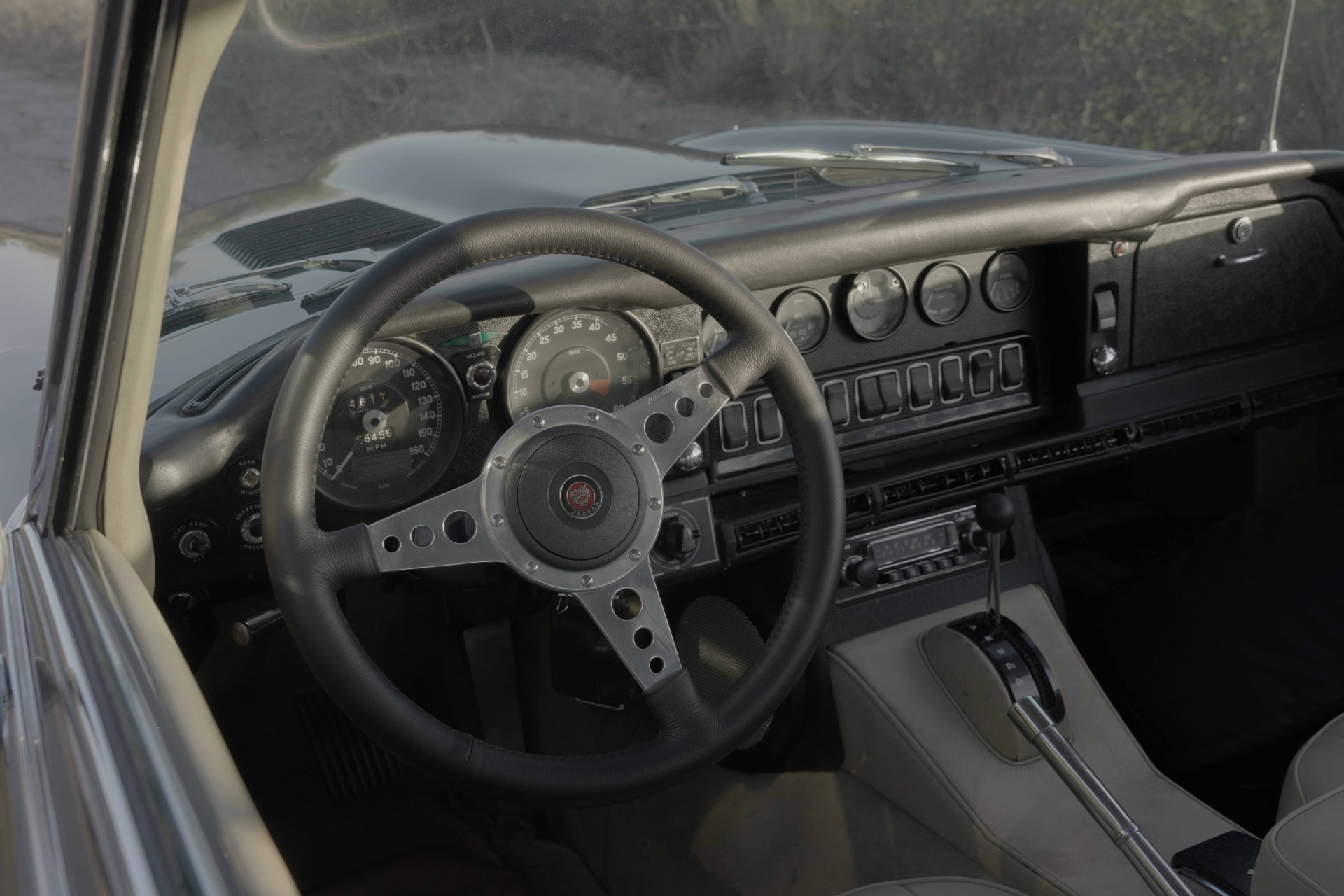
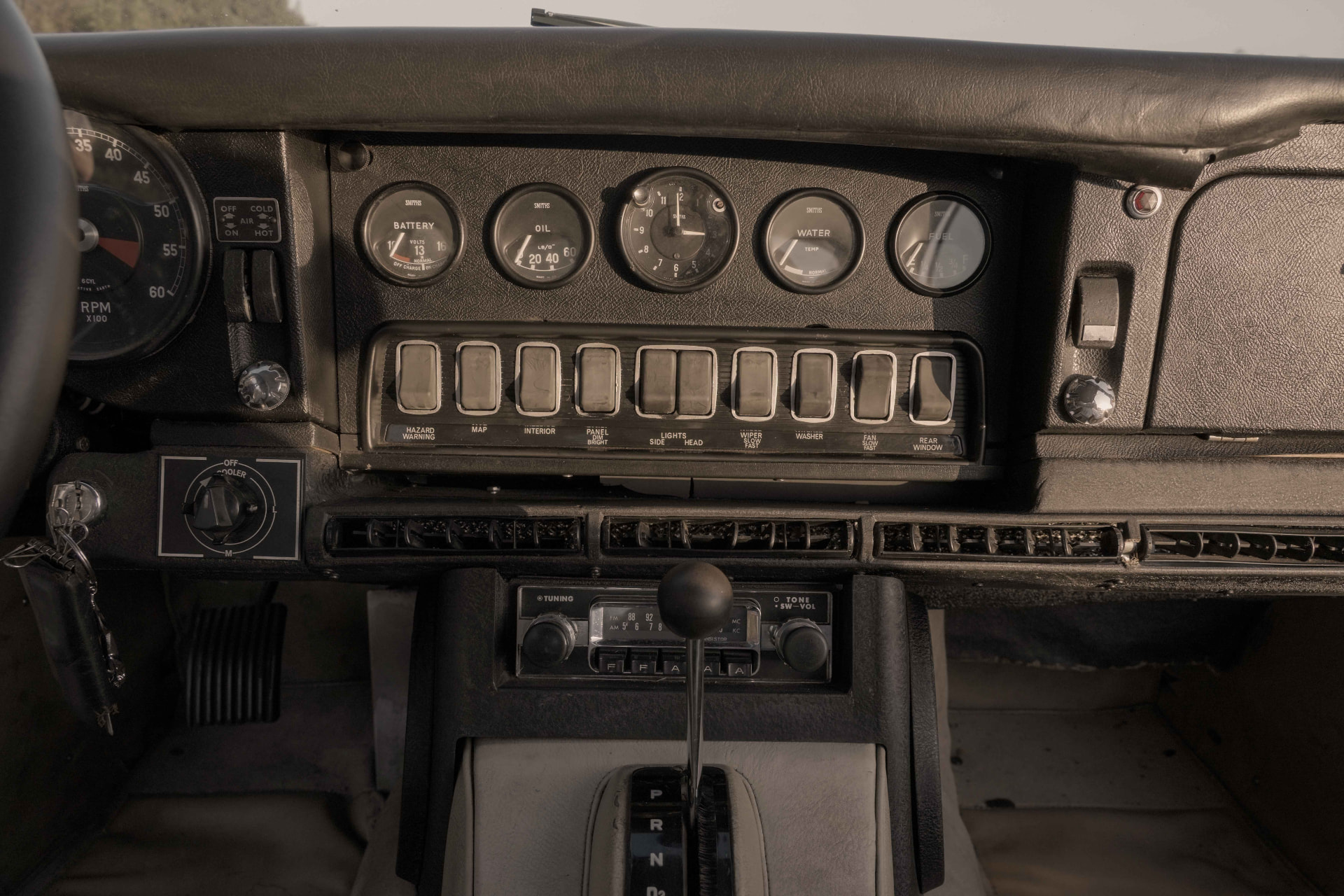
These details matter because they are evidence. Modern interiors are assembled to hide their construction; everything is a single moulded surface with the joins pointed away from you. Here the construction is the finish. You can see how the dashboard was made, where the bracket sits behind the gauge, how the leather was stretched over the frame and stapled.
That visibility changes your relationship with the object. When you can see how something was made, you can also see how it can be repaired, and the car stops being a sealed appliance. It becomes a set of parts that someone assembled by hand, in a factory, on a specific day, and that you are now responsible for.
Patina is the word people use, and it has been abused enough by auction houses to be almost useless. What I mean is narrower: the marks that record use rather than neglect. Thin paint on the leading edge of a wing is a record of miles. A cracked dash top is a record of sixty summers. Neither is damage exactly, and neither can be bought.
A Matter of Feel
A lot of ownership happens with the car stationary. Saturday mornings in the garage with the doors open and nothing urgent to do, chasing a slow oil weep or adjusting something that was fine last week. It is not maintenance in any organised sense. It is time spent in proximity to a machine, which turns out to be its own thing.
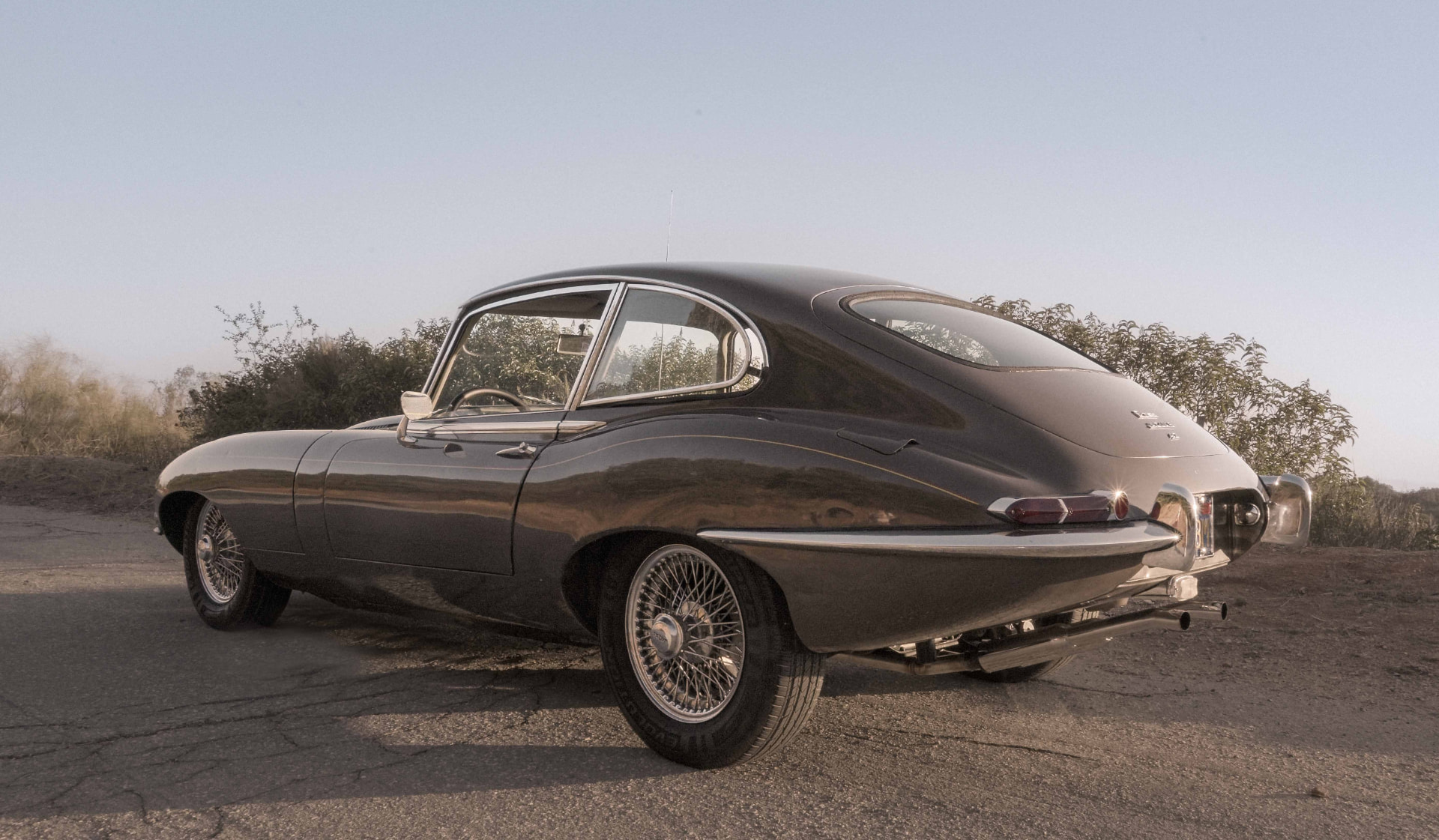
The car also changes how strangers behave. Park it anywhere and someone will come over, and the conversation is almost never about value. It is about their uncle, or a car they sold in 1994 and regret, or a workshop that used to be down the road. The car functions as a prompt for other people's stories, which is a strange and quite generous thing for an object to do.
And you learn it, slowly. Which noises are normal and which are new. How long it needs before it will pull cleanly. The particular half-second of pause the gearbox wants going into second when it is cold. None of that is written down anywhere. It accumulates, and it does not transfer to the next owner, which is probably why people hold on.
The Imperfections
There is a strong temptation, once a car reaches a certain age, to erase every sign that it got there. Bare-metal respray, replated brightwork, new hides, correct fasteners throughout. Done properly it is genuinely impressive work, and for a car that has been neglected into a shell it is the only honest option.
But a full restoration is a decision about time as much as condition. It resets the car to a moment it only occupied once, and everything that happened afterwards — the miles, the repairs, the previous owner's slightly wrong choice of switch — is edited out. You end up with an object that is closer to new and further from itself.
Preservation asks for more restraint and, frankly, more patience. You fix what is broken, stabilise what is failing, and leave alone the things that are merely old. It is harder to explain at a show, because the car will not photograph as cleanly, and there is always someone who will helpfully point out that the paint could be redone.
I have gone back and forth on this, and I am currently on the side of leaving it. The car is only original once. Everything after that is a version.
The best cars aren't always the ones in the best condition. Sometimes they're the ones that still have something to say.